

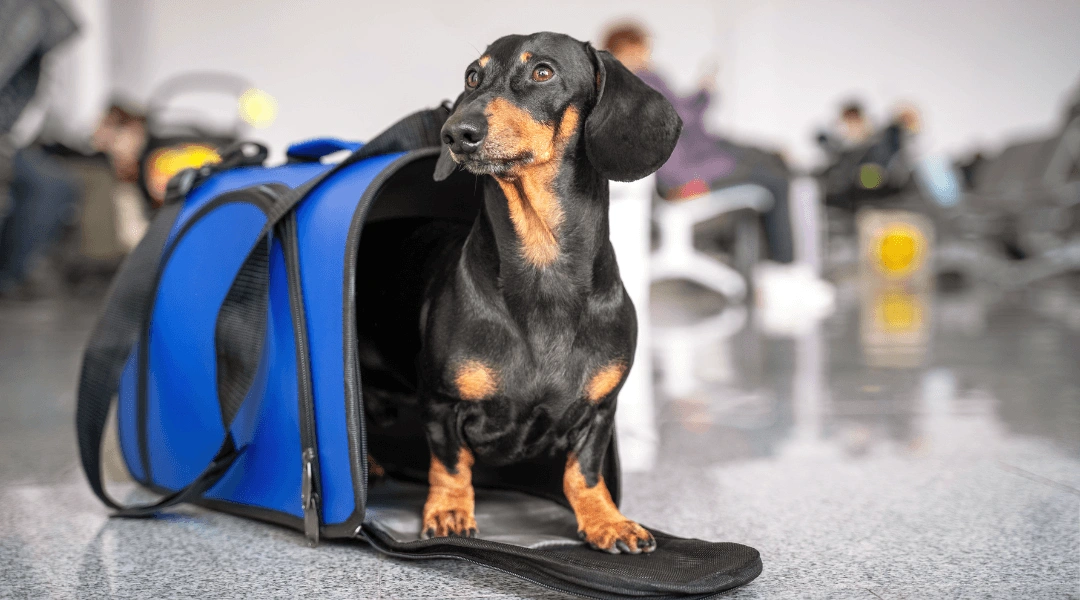

Traveling with your dog can be one of the most rewarding experiences for both pets and owners. Whether you are heading out on a weekend road trip, taking a long vacation, or visiting family across the country, dogs often become part of the adventure. But while travel creates exciting memories, it also introduces risks and challenges that many pet owners underestimate. Proper preparation and planning are essential for keeping your dog calm, healthy, and secure throughout the journey.
Understanding how to travel with pets safely helps prevent stress, injuries, escapes, and health problems while making the experience smoother for everyone involved. From car rides and hotel stays to outdoor adventures and flights, following proven safety tips for traveling with pets can make a major difference. Responsible travel starts with preparation and continues through every stage of the trip, helping improve overall pet safety for your dog wherever you go.
Why Preparation Matters Before Traveling
Dogs thrive on routine and familiar environments. Traveling disrupts those routines, exposing pets to new sounds, smells, temperatures, and situations. Some dogs adapt quickly, while others become anxious or overstimulated.
The more prepared you are before leaving home, the easier it becomes to manage unexpected situations during the trip. Learning how to travel with pets properly includes:
- Planning transportation carefully
- Packing essential supplies
- Understanding your dog’s behavior
- Preparing for emergencies
- Maintaining identification
Good preparation turns stressful travel into a safer and more enjoyable experience.
Planning Ahead for Travelling With Dogs
One of the most important aspects of travelling with dogs is planning every detail ahead of time.
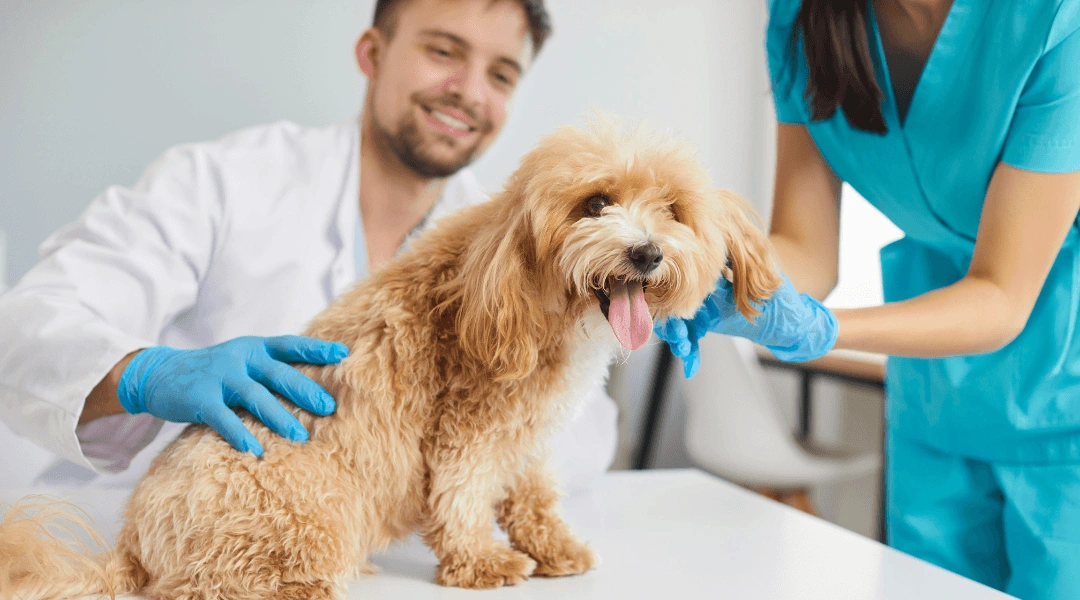
Schedule a Veterinary Visit
Before any major trip, schedule a checkup with your veterinarian. Make sure your dog is:
- Healthy enough for travel
- Up to date on vaccinations
- Protected against fleas and ticks
- Carrying necessary medications
Your vet can also advise you on motion sickness, anxiety management, and travel restrictions.
Research Pet-Friendly Locations
Not all hotels, parks, restaurants, or transportation services allow pets. Confirm pet policies before arriving to avoid stressful surprises.
Keep Identification Updated
A collar tag and microchip are essential. During travelling with dogs, pets are exposed to unfamiliar environments where escape risks increase significantly.
Essential Supplies to Bring
Packing properly is one of the most overlooked safety tips for traveling with pets. A prepared owner can respond much faster to emergencies and keep their dog comfortable during long trips.
Basic Travel Supplies
Bring:
- Food and treats
- Bottled water
- Portable bowls
- Waste bags
- Leash and harness
- Towels or blankets
- Favorite toys
- Medications
- Vaccination records
Travel Emergency Kit
A portable first-aid kit should include:
- Gauze
- Antiseptic wipes
- Tweezers
- Disposable gloves
- Emergency contact list
A complete kit acts as a practical pet safety solution while you are away from home.
Car Travel Safety for Dogs
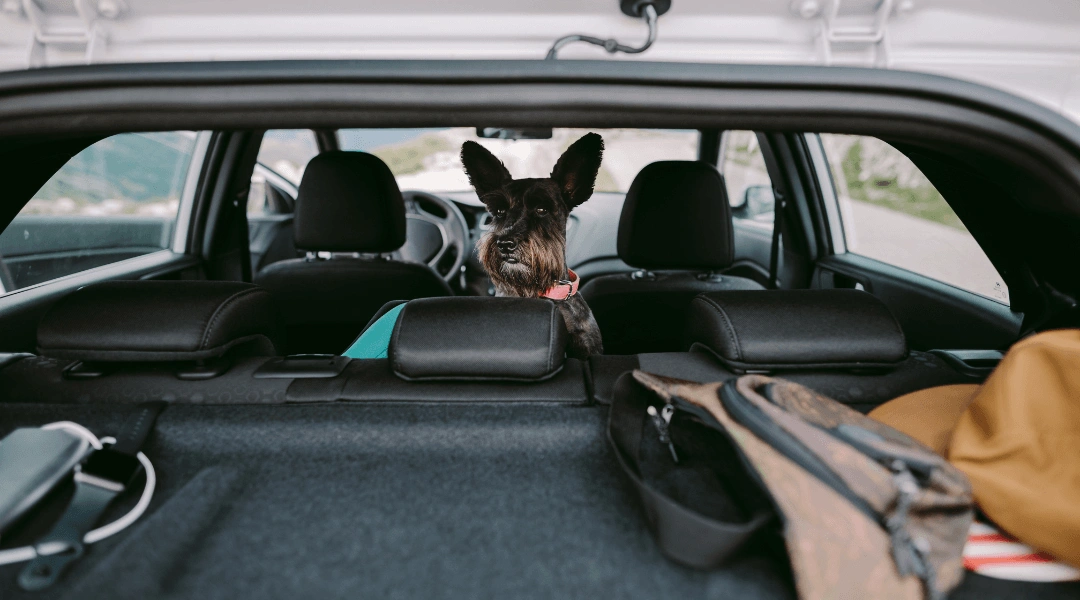
Road trips are one of the most common forms of travelling with dogs, but they also come with serious risks if pets are not secured properly.
Use Proper Restraints
Dogs should never roam freely inside a moving vehicle. Unsecured pets can:
- Distract the driver
- Become injured during sudden stops
- Escape when doors open
Use:
- Crash-tested harnesses
- Travel crates
- Vehicle pet barriers
These are among the most important safety tips for traveling with pets because they protect both you and your dog during accidents or abrupt movements.
Never Leave Dogs in Hot Cars
Even mild temperatures can become deadly inside parked vehicles. Heat builds rapidly and can cause heatstroke within minutes.
Take Frequent Breaks
Stop every few hours for:
- Water
- Bathroom breaks
- Stretching
- Short walks
This helps reduce stress and improves comfort during long trips.
Air Travel Tips for Dogs
Flying with pets requires additional preparation. Airline policies vary significantly, so research thoroughly before booking.
Choose Direct Flights
Direct routes reduce stress, delays, and handling errors.
Use Airline-Approved Carriers
Carriers should:
- Allow standing and turning comfortably
- Be properly ventilated
- Contain absorbent bedding
Label Everything Clearly
Include:
- Your contact information
- Destination address
- Emergency contacts
Understanding how to travel with pets by air includes preparing for possible delays and unfamiliar airport procedures.
Managing Anxiety During Travel
Many dogs experience anxiety while traveling. New environments, loud noises, and unfamiliar routines can trigger stress.
Signs of Travel Anxiety
Watch for:
- Excessive panting
- Whining
- Trembling
- Pacing
- Refusing food
Calming Strategies
Helpful techniques include:
- Bringing familiar blankets or toys
- Maintaining calm energy yourself
- Using positive reinforcement
- Taking gradual practice trips before longer travel
Reducing anxiety improves safety and makes travelling with dogs much easier overall.
Hotel and Destination Safety
Arriving safely is only part of the process. New environments create additional risks for dogs.
Pet-Proof Your Space
Check for:
- Open balconies
- Loose fencing
- Toxic plants
- Small escape points
Keep Dogs Leashed
Even well-trained dogs can become disoriented in unfamiliar areas. A leash is one of the simplest but most effective safety tips for traveling with pets.
Maintain Routine
Try to stick to regular feeding and walking schedules. Familiar routines reduce stress and help dogs settle faster.
Outdoor Adventure Safety
Many owners enjoy hiking, camping, and outdoor activities while travelling with dogs. Outdoor adventures are rewarding but require extra caution.
Watch Weather Conditions
Protect dogs from:
- Extreme heat
- Cold temperatures
- Rough terrain
Bring Extra Water
Dogs dehydrate quickly during physical activity. Portable hydration systems are a practical pet safety solution for outdoor travel.
Check for Wildlife Risks
Different locations may expose dogs to:
- Snakes
- Ticks
- Coyotes
- Poisonous plants
Awareness and preparation reduce the chance of emergencies.
Preventing Lost Dogs While Traveling
Travel dramatically increases the chances of pets getting lost. New smells, sounds, and surroundings can confuse even highly trained dogs.
Double-Check Identification
Before leaving home:
- Update collar tags
- Verify microchip information
- Add temporary travel contact details if needed
Use Smart Identification
Modern identification technology helps strangers quickly contact owners if a dog becomes separated during travel. A smart tag acts as an additional pet safety solution that supports faster reunions.
Keep Recent Photos
Store clear photos of your dog on your phone in case you need to create lost pet posts quickly.
Emergency Planning While Traveling
Preparation is one of the strongest forms of protection during travel.
Research Emergency Vets
Locate veterinary clinics near your destination before arriving.
Save Important Numbers
Keep emergency contacts accessible:
- Veterinarian
- Animal poison control
- Local emergency clinics
Prepare for Unexpected Delays
Flights, weather, and vehicle issues can disrupt plans. Carry extra food, medication, and supplies whenever possible.
Good emergency preparation is a major part of learning how to travel with pets responsibly.
Common Travel Mistakes to Avoid
Even experienced owners make avoidable mistakes during travel.
Avoid:
- Allowing dogs to roam freely in vehicles
- Skipping identification updates
- Ignoring signs of stress
- Leaving dogs unattended outdoors
- Forgetting hydration breaks
These small mistakes can quickly turn into dangerous situations.
Building Confidence Through Practice
If your dog is inexperienced with travel, start small.
Practice Trips
Take:
- Short car rides
- Visits to pet-friendly stores
- Overnight stays nearby
Gradual exposure helps dogs adjust and builds positive travel experiences over time.
The more comfortable your dog becomes, the easier future travelling with dogs will feel.
Why Travel Safety Matters
Travel creates incredible opportunities for bonding and adventure, but responsible preparation matters. A calm, secure dog is less likely to:
- Panic
- Escape
- Become injured
- Develop travel-related health issues
Following proven safety tips for traveling with pets helps ensure your trips stay enjoyable rather than stressful.
Final Thoughts: Make Every Trip Safer for Your Dog
Traveling with your dog should feel exciting, not overwhelming. With proper preparation, the right supplies, and careful planning, you can create safe and memorable experiences wherever you go. Understanding how to travel with pets responsibly protects your dog from unnecessary risks while giving you greater confidence during every trip.
From road trips and flights to outdoor adventures and hotel stays, every part of the journey benefits from preparation and awareness. Building routines, managing stress, and using smart identification tools all contribute to a safer travel experience.
For an added layer of protection during every journey, consider upgrading your dog’s identification system and buy the pet tap tag.