

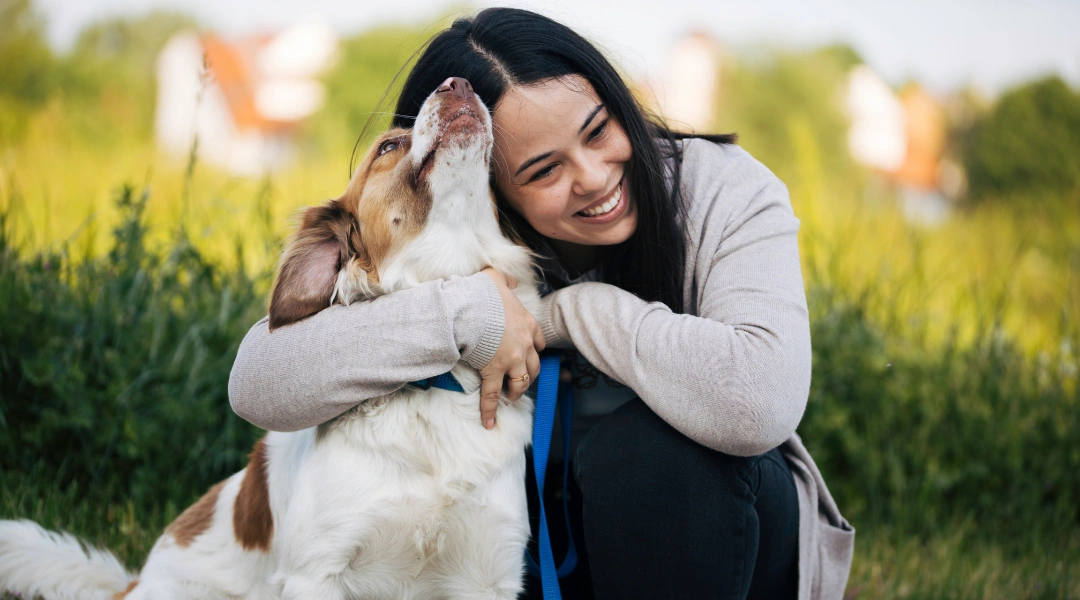

Losing a dog is one of the most emotional experiences a pet owner can face. The uncertainty, worry, and countless questions that arise after a dog goes missing can feel overwhelming. Among those questions, one tends to stand out above the rest: do they miss us as much as we miss them?
Many owners spend sleepless nights wondering, “does my dog miss me?” They picture their beloved companion wandering alone, confused, and searching for familiar faces. While dogs experience the world differently than humans, scientific research and behavioral studies suggest that the bonds they form with their owners are deep and meaningful.
Understanding what dogs experience when separated from their families can provide reassurance while also highlighting the importance of prevention and preparation. For owners looking to improve identification and recovery options, many choose to buy the pet tap tag as part of a broader lost pet prevention strategy.
In this article, we will explore what science says about canine emotions, whether dogs miss their owners, and what may be happening in a dog’s mind when they become lost.
The Bond Between Dogs and Humans
Dogs have lived alongside humans for thousands of years. During that time, they evolved unique social skills that allow them to communicate, cooperate, and form strong attachments with people.
Unlike many animals, dogs actively seek human interaction. They look to us for guidance, comfort, food, protection, and companionship.
Researchers have found that when dogs interact with their owners, both the dog and the human experience increased levels of oxytocin, often referred to as the “bonding hormone.” This same hormone plays a significant role in relationships between parents and children.
This evidence strongly suggests that the connection between dogs and their owners is not simply based on food or routine. It is an emotional attachment.
Because of this bond, the question “do dogs miss their owners” becomes easier to answer.
Do Dogs Miss Their Owners?
The short answer is yes.
Research indicates that dogs recognize and remember their owners and often display behaviors associated with missing them during periods of separation.
When owners leave for work, travel, or become temporarily absent, many dogs show signs of anticipation, excitement upon reunion, and in some cases, anxiety during the separation.
Studies using brain imaging have shown that familiar human scents activate reward centers in a dog’s brain. Simply smelling their owner’s scent can trigger positive emotional responses.
These findings help answer a question many pet owners ask: do dogs miss their owners? Current research suggests they do. Dogs appear to form genuine emotional attachments to the people they live with and can notice when those important relationships are temporarily disrupted.

Can Dogs Miss Their Owners for Long Periods?
One common concern among pet owners is whether dogs remember people after extended separations.
The answer appears to be yes.
Researchers have documented cases where dogs recognized owners after months or even years apart. Familiar voices, scents, and visual cues can remain stored in a dog’s memory for surprisingly long periods.
This is why the question can dogs miss their owners often has a reassuring answer. Dogs do not simply forget their families after a few days away.
Their memories may function differently than human memories, but emotional associations remain strong.
In fact, many reunion videos show dogs displaying intense excitement after long separations, reinforcing the idea that can dogs miss their owners is supported by both science and real-world observation.
What Do Dogs Feel When They Are Lost?
Perhaps one of the most difficult questions owners ask is: what do dogs feel when they are lost?
While dogs cannot verbally describe their emotions, behavior gives us important clues.
When dogs become separated from their owners, they may experience:
- Confusion
- Fear
- Anxiety
- Stress
- Hypervigilance
A lost dog suddenly loses access to familiar routines, scents, and sources of security.
The environment that once felt safe becomes unfamiliar and unpredictable.
This is why many experts believe that what do dogs feel when they are lost often includes a combination of uncertainty and survival-focused behavior.
Instead of calmly waiting to be found, many dogs enter a heightened state of alertness.
Why Lost Dogs Sometimes Do Not Come When Called
One behavior that surprises many owners is that lost dogs sometimes avoid people, even their own families.
This can seem contradictory if dogs missing their owners truly want to return home.
The explanation lies in stress.
When frightened, dogs often enter survival mode. Their brains prioritize safety over social interaction.
A scared dog may:
- Hide
- Run from approaching people
- Avoid familiar voices
- Seek shelter in secluded areas
This behavior does not mean the dog has forgotten its owner.
In many cases, dogs missing their owners are simply too frightened to respond normally.
Understanding this behavior can improve recovery efforts and prevent owners from becoming discouraged.
Does My Dog Miss Me When I Leave for Work?
Many owners wonder, does my dog miss me when they leave for a few hours.
Research suggests the answer is yes, though the intensity varies by individual dog.
Some dogs remain relaxed and sleep while their owners are away.
Others display mild signs of separation stress, including:
- Waiting near doors
- Watching windows
- Reduced activity
- Increased vocalization
Most dogs adjust well to predictable routines. However, the emotional bond remains present.
This means that for many pets, does my dog miss me is not merely a sentimental question. The evidence suggests that dogs do notice our absence and often look forward to our return.
Dogs Missing Their Owners and Separation Anxiety
It is important to distinguish normal attachment from separation anxiety.
Most dogs experience mild disappointment when owners leave.
Separation anxiety is a clinical behavioral condition characterized by:
- Excessive barking
- Destructive behavior
- House soiling
- Panic responses
Not all dogs missing their owners suffer from separation anxiety.
Many dogs form strong bonds while still remaining emotionally stable during short separations.
Understanding this distinction helps owners provide appropriate support without assuming every emotional response is a disorder.
How Dogs Use Scent to Find Their Owners
Dogs experience the world largely through scent.
Their remarkable sense of smell plays an important role when they become separated.
This is one reason dogs missing their owners may actively search for familiar scents after becoming lost.
Dogs can often detect:
- Owner scent trails
- Familiar locations
- Household odors
- Vehicle scents
While scent alone does not guarantee a successful return home, it can significantly influence a dog’s behavior during a lost pet situation.

How Long Do Dogs Remember Their Owners?
Research suggests that dogs can retain memories of important people for years.
Unlike humans, dogs may not replay memories consciously, but they form strong associations through scent, routine, and emotional experiences.
When reunited, dogs often show:
- Tail wagging
- Jumping
- Vocal excitement
- Increased affection
These responses indicate recognition and emotional connection.
This further supports the idea that do dogs miss their owners is rooted in genuine attachment rather than simple habit.
Factors That Affect a Lost Dog’s Behavior
Every dog responds differently when lost.
Several factors influence behavior, including:
Personality
Confident dogs may approach people more readily.
Age
Younger dogs may be more adventurous, while older dogs often stay closer to familiar areas.
Environment
Urban environments can overwhelm dogs with unfamiliar sights and sounds.
Previous Experiences
Dogs with strong socialization may seek help more easily than fearful or traumatized animals.
Understanding these factors helps explain why what do dogs feel when they are lost can vary significantly between individual pets.
Helping Dogs Return Home Faster
Since lost dogs often experience fear and confusion, prevention remains the best strategy.
Important steps include:
- Keeping identification current
- Maintaining secure fencing
- Practicing recall training
- Updating contact information
- Using modern identification tools
The faster a dog can be identified, the faster a reunion can occur.
The Emotional Reality of Lost Dogs
While we cannot know every detail of a dog’s emotional experience, evidence strongly suggests that dogs form meaningful attachments and recognize the absence of people they love.
Many owners wonder whether dogs miss their owners when they become separated, or ask themselves, “Does my dog miss me?” after a period apart. Research into canine behavior points toward a consistent conclusion: dogs develop strong emotional bonds with their families and often respond when those bonds are disrupted.
Whether through excitement during reunions, recognition of familiar scents, or searching behaviors after becoming lost, dogs consistently demonstrate attachment to the people they know and trust.
The Bond Doesn’t Disappear When You’re Apart
Losing a dog is an incredibly stressful experience, but understanding canine behavior can provide some comfort. Research suggests that dogs remember their owners, recognize familiar scents and voices, and often display signs of attachment during periods of separation. Questions like what do dogs feel when they are lost and whether dogs missing their owners experience emotional distress continue to be studied, but current evidence points toward meaningful emotional connections between dogs and humans.
While no owner wants to imagine their dog becoming lost, preparation can significantly improve recovery outcomes. Strong identification systems, updated contact information, and proactive planning help ensure that beloved pets find their way back home quickly. These simple measures contribute greatly to overall pet safety.