


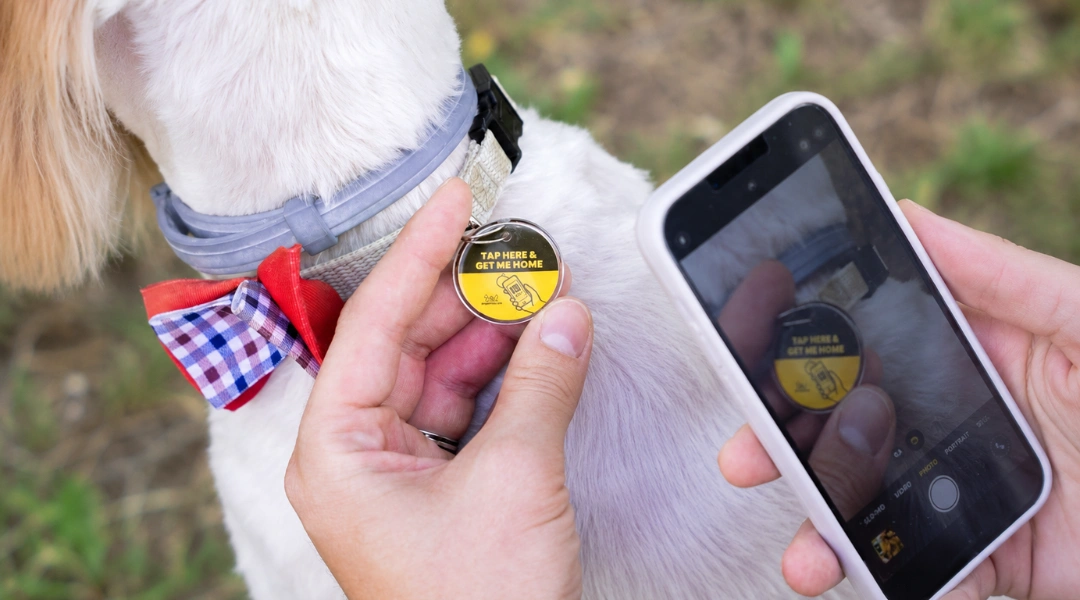
A dog ID tag may seem like a small accessory hanging from your pet’s collar, but it serves one of the most important functions in responsible pet ownership. If your dog ever slips out of the yard, escapes during a walk, gets startled by fireworks, or becomes separated from you while traveling, their identification tag could be the fastest way to bring them home.
Choosing the information that appears on a tag is more important than many owners realize. There is only a limited amount of space available, which means every detail needs to serve a purpose. Understanding what to put on a dog tag can help ensure that anyone who finds your pet has the information they need to contact you quickly. At the same time, many owners wonder what should you put on a dog tag to maximize the chances of a safe and successful reunion without overcrowding the tag with unnecessary information.
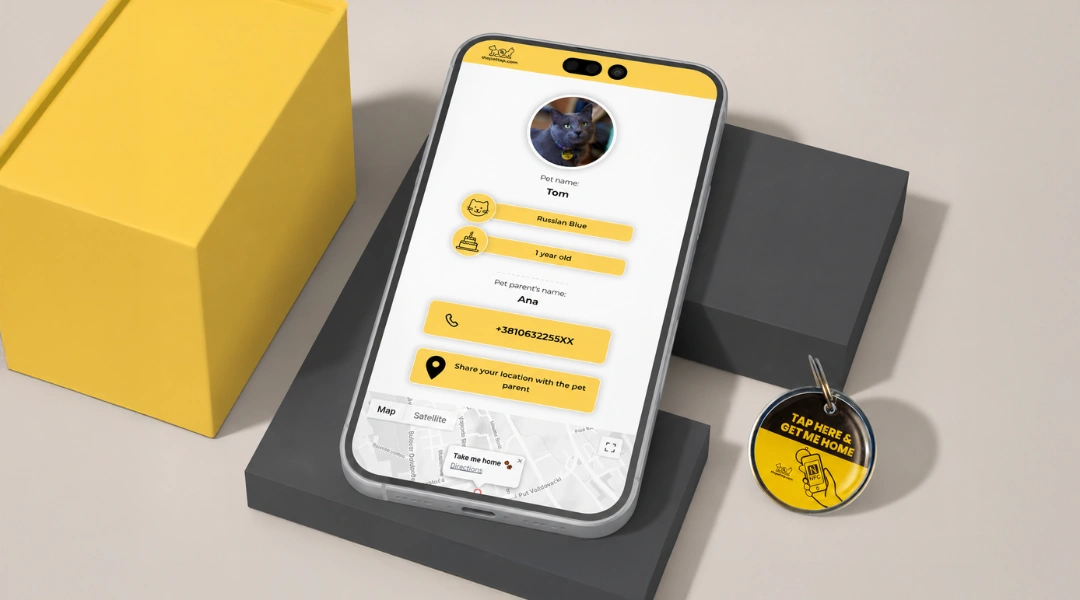
Today, identification technology has evolved far beyond basic engraved metal tags. Modern solutions provide access to detailed pet profiles, emergency contacts, medical information, and other valuable records that simply would not fit on a traditional tag. For pet owners looking for a smarter approach to identification, many choose to buy the pet tap tag as an additional layer of protection.
In this guide, we’ll explore exactly what information should appear on a dog ID tag, which details are most important, what information may be best left off, and how modern identification technology is changing the way lost pets find their way home.
Why Dog ID Tags Matter
Dogs can become lost for many reasons. An open gate, a broken leash, a loud thunderstorm, or an unexpected distraction can send even the most obedient dog running.
While microchips are extremely valuable, they require specialized scanners. An ID tag provides immediate access to contact information, allowing anyone who finds your dog to reach you quickly.
In many cases, a simple tag results in a reunion within hours rather than days.
The goal of any dog tag is simple:
- Help identify your dog
- Provide a way to contact you
- Speed up reunification
- Reduce stress for both pet and owner
Understanding proper dog tag info is the first step toward making your pet easier to identify if they ever become lost.
The Most Important Information to Include
When deciding what to put on a dog tag, start with the essentials.
Your Dog’s Name
Your dog’s name should usually appear on the tag.
Including their name helps reassure people that the dog belongs to a family and is not a stray. It also allows the finder to communicate with your dog more easily.
For example:
- Charlie
- Bella
- Max
- Luna
Many dogs respond positively when someone uses their name, making them easier to approach and assist.
Your Primary Phone Number
The most important piece of dog tag info is your phone number.
If someone finds your dog, they need an immediate way to contact you.
Use a number that:
- Is active
- Is frequently monitored
- Accepts calls and text messages
If possible, use a mobile number rather than a landline.
Secondary Contact Number
If space allows, include a backup number.
This could belong to:
- A spouse
- Family member
- Trusted friend
- Pet sitter
If you are unavailable, a secondary contact increases the chances of a quick reunion.
These are among the most valuable dog tag details you can include.
Should You Include Your Address?
Years ago, most pet tags included a home address.
Today, many experts recommend against listing your full address.
Reasons include:
- Privacy concerns
- Limited tag space
- Frequent relocation
Instead, city and state information is often enough.
For example:
- Tampa, FL
- Austin, TX
- Denver, CO
This provides location context while protecting personal information.
When deciding what should you put on a dog tag, privacy should always be considered alongside practicality.
Medical Information That Could Save a Life
In some situations, adding medical information can be extremely important.
Examples include:
- Diabetic
- Deaf
- Blind
- Requires Medication
- Seizure Disorder
If your dog has a condition that affects emergency care, including this information may help a finder respond appropriately.
However, space on traditional tags is limited. This is where digital identification systems offer significant advantages.
Modern tags allow owners to store detailed medical histories without cluttering the physical tag.
Should You Mention That Your Dog Is Microchipped?
Many owners choose to include:
“Microchipped”
This simple note tells shelters and veterinary clinics that a chip scan may provide additional owner information.
While not essential, it can be helpful if the physical tag becomes damaged or outdated.
Including this information is often considered a useful addition to standard dog tag details.
What Information Should NOT Be Included?
Just as important as knowing what to put on a dog tag is understanding what to leave off.
Avoid Excessive Personal Information
Do not include:
- Full home address
- Personal identification numbers
- Sensitive account details
Too much personal information creates unnecessary privacy risks.
Avoid Long Messages
A dog tag is not the place for lengthy descriptions.
Keep information concise and easy to read.
The goal is immediate communication, not detailed storytelling.
Avoid Outdated Information
Many lost pet recoveries are delayed because owners forget to update their tags after moving or changing phone numbers.
Review your tag information regularly.
Keeping accurate dog tag info is critical.
How Modern Smart Tags Improve Identification
Traditional engraved tags have limitations.
Space is limited.
Information cannot be updated easily.
Medical records cannot be stored.
This has led many owners to adopt digital identification systems.
Smart tags allow pet owners to create online profiles containing:
- Contact information
- Emergency contacts
- Veterinary details
- Vaccination records
- Medical conditions
- Feeding instructions
- Travel information
A finder can access these records using a smartphone.
This dramatically expands the amount of useful dog tag details available during emergencies.
Traveling With Dogs and Identification
Travel increases the risk of separation.
New environments can be overwhelming, and even well-trained dogs may become disoriented.
When traveling, consider adding:
- Temporary travel contact information
- Alternate emergency contacts
- Hotel information
Understanding what should you put on a dog tag becomes even more important when away from home.
Travel-specific information helps ensure a faster reunion if your dog becomes lost in an unfamiliar location.
Dog Tag Information for Puppies
Puppies are especially vulnerable because they are curious and inexperienced.
For young dogs, identification should include:
- Name
- Primary phone number
- Secondary phone number
As puppies grow, make sure collars and tags remain properly fitted and updated.
Good identification habits established early provide lifelong benefits.

Dog Tag Information for Senior Dogs
Senior dogs may have additional needs.
Consider including medical alerts if your older dog:
- Takes medication
- Has mobility issues
- Has vision or hearing loss
These additional dog tag details can help someone provide better care while contacting you.
Common Dog Tag Mistakes
Many owners unintentionally reduce the effectiveness of their tags.
Using Tiny Text
Information must be readable.
If text is too small, it becomes difficult to use during emergencies.
Allowing Tags to Wear Out
Metal tags can fade over time.
Check regularly for:
- Scratches
- Rust
- Fading text
Failing to Update Contact Information
This remains one of the most common identification failures.
Review your dog tag info whenever:
- You move
- Change phone numbers
- Update emergency contacts
Creating Multiple Layers of Protection
The most effective pet identification strategy uses multiple systems.
These include:
- Collar tag
- Microchip
- Digital profile
- Recent photographs
No single method is perfect on its own.
Together, they create a comprehensive recovery system.
When considering what to put on a dog tag, think of the tag as one part of a larger safety plan.
Why Simplicity Works Best
Many owners try to include too much information.
In reality, the best tags focus on:
- Dog’s name
- Phone number
- Secondary contact
- Essential medical alerts
Clear, simple information is easier to read and faster to use.
When deciding what should you put on a dog tag, prioritize speed and clarity above everything else.
Giving Your Dog the Best Chance of Coming Home
A dog ID tag is one of the simplest yet most effective tools for protecting your pet. The right information can turn a stressful situation into a quick and successful reunion. By understanding proper dog tag info, selecting the most useful dog tag details, and keeping information current, you dramatically improve the chances of getting your dog home safely if they ever become lost.
Whether you use a traditional engraved tag or a modern digital solution, identification remains one of the most important investments you can make in your dog’s well-being. Combining accurate contact information with modern technology provides stronger protection, greater peace of mind, and better overall pet safety.