

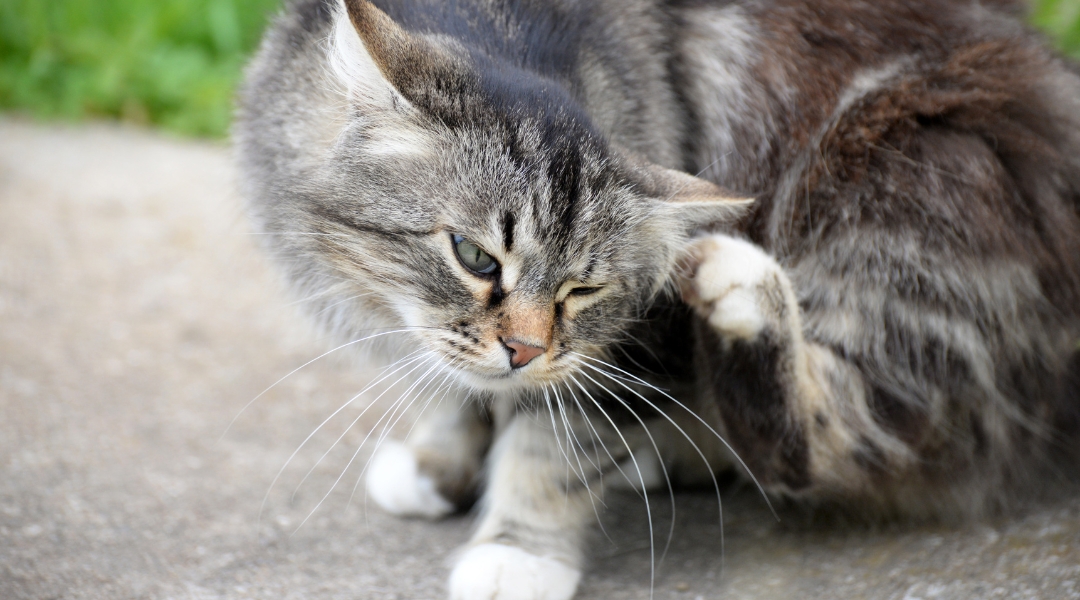

No pet owner wants to deal with fleas. These tiny, fast-moving pests are more than just a nuisance, they can cause intense itching, allergic reactions, hair loss, skin infections, and even spread tapeworms and other parasites. If your cat is scratching more than usual, has scabs, or seems restless, fleas might be the culprit. Learning how to get rid of fleas on cats is crucial to protecting your pet’s health and comfort.
Fleas thrive in warm environments, but they’re a year-round concern, especially if you have indoor-outdoor cats or other pets in the home. Whether you’re dealing with an active infestation or looking to prevent future outbreaks, this comprehensive guide will walk you through everything you need to know about treating fleas on cats while keeping pet safety in mind.
Why Are Fleas So Dangerous for Cats?
Fleas aren’t just annoying. They’re resilient, fast-breeding parasites that can pose serious health risks for your cat. In fact, a single flea can lay up to 50 eggs a day, quickly turning a minor issue into a full-blown infestation.
Flea-Related Health Issues:
- Flea Allergy Dermatitis (FAD): An allergic reaction to flea saliva that causes intense itching and skin inflammation.
- Anemia: In kittens or older cats, heavy infestations can lead to dangerous blood loss.
- Tapeworms: Cats often ingest fleas while grooming, which can lead to intestinal parasites.
- Secondary Infections: Scratching and biting irritated areas can cause skin wounds and bacterial infections.
This is why treatment for fleas on cats is more than cosmetic. It’s a vital health priority.
How to Tell If Your Cat Has Fleas
Even if your cat is mostly indoors, they can still get fleas through contact with people, other pets, or contaminated environments. Not all cats show obvious signs, so it’s important to know what to look for.
Common Symptoms:
- Frequent scratching or biting, especially around the neck and tail
- Red bumps or scabs on the skin
- Hair loss or thinning fur
- Restlessness or agitation
- Tiny black specks (flea dirt) in the fur or bedding
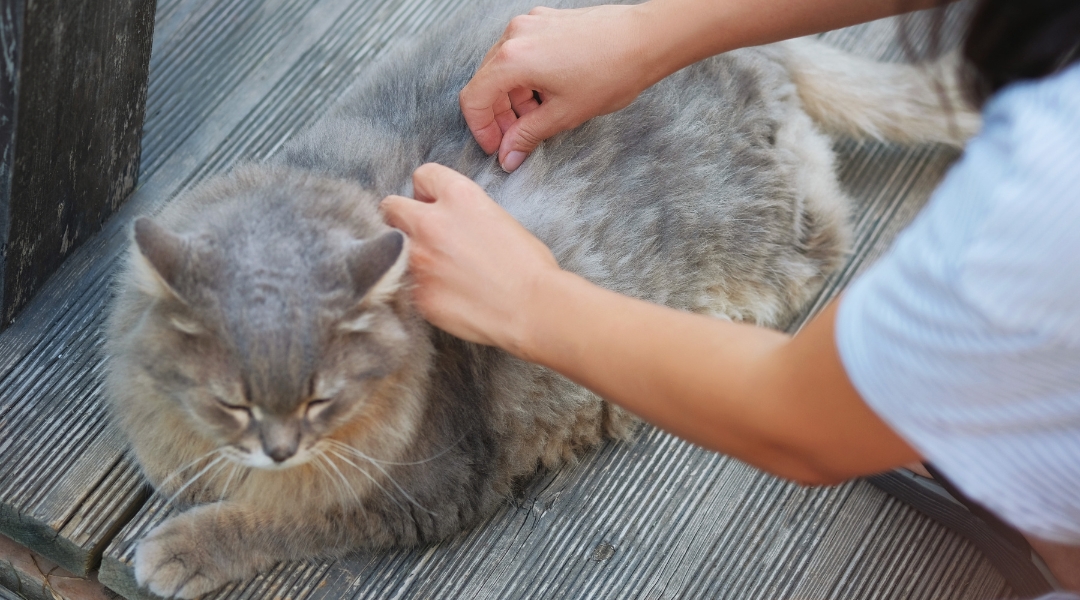
To confirm, use a flea comb and examine your cat’s fur near the skin. If you find live fleas or black particles that turn reddish-brown when wet (digested blood), it’s time to act fast and get rid of fleas on cat immediately.
Step-by-Step: How to Get Rid of Fleas on Cats
Getting rid of fleas involves more than just treating your cat, you also need to address the environment and break the flea life cycle. Here’s a structured approach to how to get rid of fleas on cats effectively and safely.
Step 1: Start with a Flea Bath (If Tolerated)
Not all cats will tolerate water, but if yours does, a gentle flea shampoo can be the first step in treating fleas on cats. Choose a product specifically formulated for cats and avoid using dog flea shampoo, many contain ingredients that are toxic to felines.
- Use lukewarm water
- Lather from neck down to tail, avoiding eyes and ears
- Rinse thoroughly and dry gently with a towel
This won’t eliminate all fleas but can reduce the active population and soothe irritated skin.
Step 2: Use a Flea Comb
After drying, use a fine-toothed flea comb to remove any remaining adult fleas and flea dirt. Focus on areas where fleas tend to hide: the base of the tail, neck, and underarms.
- Dip the comb in soapy water after each stroke to kill fleas
- Repeat daily during active infestation
- Use a calm, quiet setting to keep your cat relaxed
While this doesn’t replace a full cat fleas treatment, it helps reduce flea numbers and gives you a chance to monitor progress.
Step 3: Apply a Vet-Approved Flea Treatment
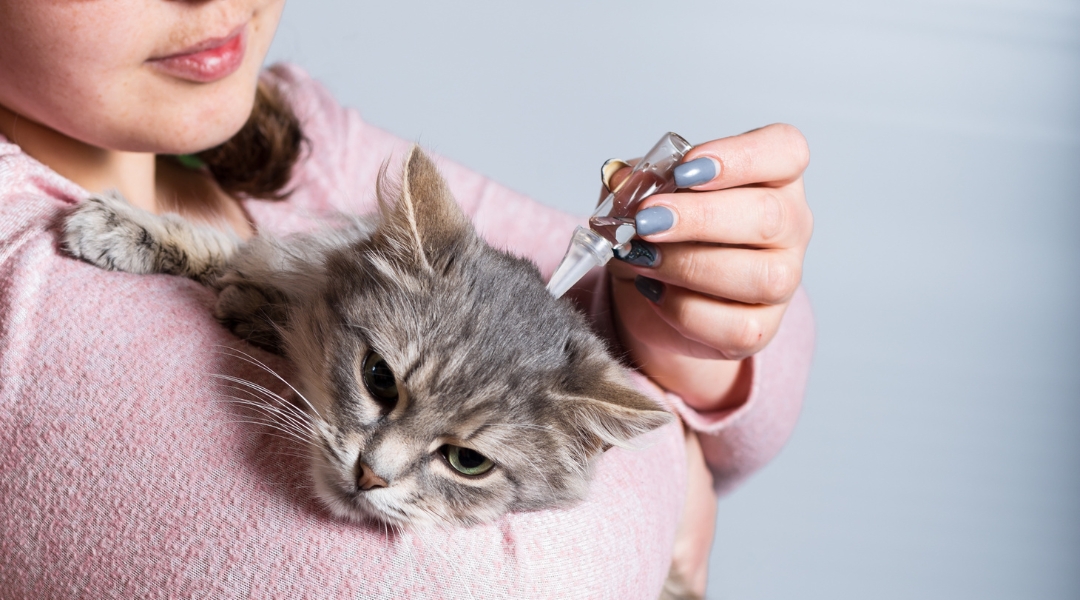
A major step in treatment for fleas on cats involves a topical or oral medication prescribed or recommended by your vet. These treatments kill fleas at different life stages and offer protection for weeks or months.
Common options include:
- Topical treatments (e.g., Revolution, Advantage II): Applied between the shoulder blades and absorbed through the skin.
- Oral tablets (e.g., Comfortis, Capstar): Fast-acting and sometimes used for quick knockdowns.
- Flea collars: Some advanced collars can provide up to 8 months of protection.
Make sure the product is feline-specific. Never use dog flea products on cats—some ingredients like permethrin can be fatal.
Step 4: Treat the Environment
Killing fleas on your cat is only part of the process. You also need to target their eggs, larvae, and pupae hiding in your home. Fleas can live in carpet, bedding, furniture, and cracks in the floor.
Home Cleanup Checklist:
- Vacuum daily: Focus on baseboards, under furniture, and pet areas. Empty the vacuum bag outside immediately.
- Wash bedding: Clean your cat’s bedding and soft toys in hot water.
- Use environmental sprays: Choose a pet-safe flea spray for carpets and upholstery, or consult your vet about foggers or professional exterminators.
Without environmental control, fleas will continue to hatch and jump back onto your pet—no matter how often you get rid of fleas on cat surfaces.
Step 5: Repeat and Monitor
Flea control is not a one-and-done solution. Continue combing, monitoring for flea dirt, and applying treatments as directed by your vet.
Tips:
- Treat all pets in the household simultaneously
- Maintain a consistent monthly prevention plan
- Keep yard and outdoor areas trimmed and clear of debris
Ongoing maintenance is the key to success in cat fleas treatment and ensures that fleas don’t return.
Natural Remedies: Use with Caution
Some pet owners prefer natural remedies, but many are ineffective or even harmful. Always talk to your vet before using essential oils, herbal sprays, or DIY flea control solutions. Cats are particularly sensitive to many natural substances that are safe for dogs or humans.
That said, natural flea prevention methods can be helpful when used alongside conventional treatment:
- Regular vacuuming
- Diatomaceous earth (food-grade only)
- Flea-repelling plants (e.g., rosemary or lavender near windows—but not for direct contact)
Never rely solely on these methods to get rid of fleas on cat systems.
Prevention: Keeping Fleas Away for Good
Once your home and cat are flea-free, the goal is to keep them that way. Preventive care is essential and far easier than managing a full infestation.
Prevention Tips:
- Apply monthly flea prevention, even in colder months
- Regularly wash your cat’s bedding
- Keep indoor cats away from infested areas or animals
- Use flea control for other pets in the household
- Monitor your cat regularly with flea combs
If you’re frequently dealing with fleas, your vet may recommend year-round treatment. Consistency is everything in successful cat fleas treatment and prevention.
How to Make Flea Treatment Easier for Your Cat
Some cats are squirmy, anxious, or downright difficult when it comes to flea treatment. Here are some tips to make treatment for fleas on cats smoother:
- Stay calm: Your mood affects your pet. Use a quiet, calm voice and gentle handling.
- Wrap in a towel: For safety and control, especially during baths or applying drops.
- Use treats and positive reinforcement: Reward your cat after each treatment to build trust.
- Ask for help: Some treatments are easier with two people: one to hold, one to apply.
Always prioritize your cat’s comfort while staying focused on complete treatment. Fleas are stubborn, and consistency matters.
Why Flea Protection Supports Pet Safety
Flea treatment isn’t just about comfort. It’s about pet safety. Fleas can cause severe complications if left untreated, from anemia in kittens to skin infections and disease transmission.
For households with multiple pets, skipping flea control for even one animal puts the entire group at risk. That’s why using a comprehensive, vet-recommended strategy is one of the most important things you can do to support long-term health.
Final Thoughts: Stop Fleas Before They Start
Understanding how to get rid of fleas on cats takes more than a quick shampoo or a one-time pill. It requires a complete plan that treats your cat, your home, and every stage of the flea life cycle. From daily combing to monthly prevention and professional guidance, the more proactive you are, the better your results will be.
Cats don’t deserve to live in discomfort, and you don’t deserve the stress of a home full of fleas. Take action early, follow through with consistent care, and give your feline friend the relief they need.
And for added protection and peace of mind, especially in the case of indoor-outdoor cats, don’t forget to buy the Pet Tap tag. If your cat ever wanders during treatment or someone finds them scratching and in distress, a simple scan of the tag can bring them home faster and help others assist in their care.