

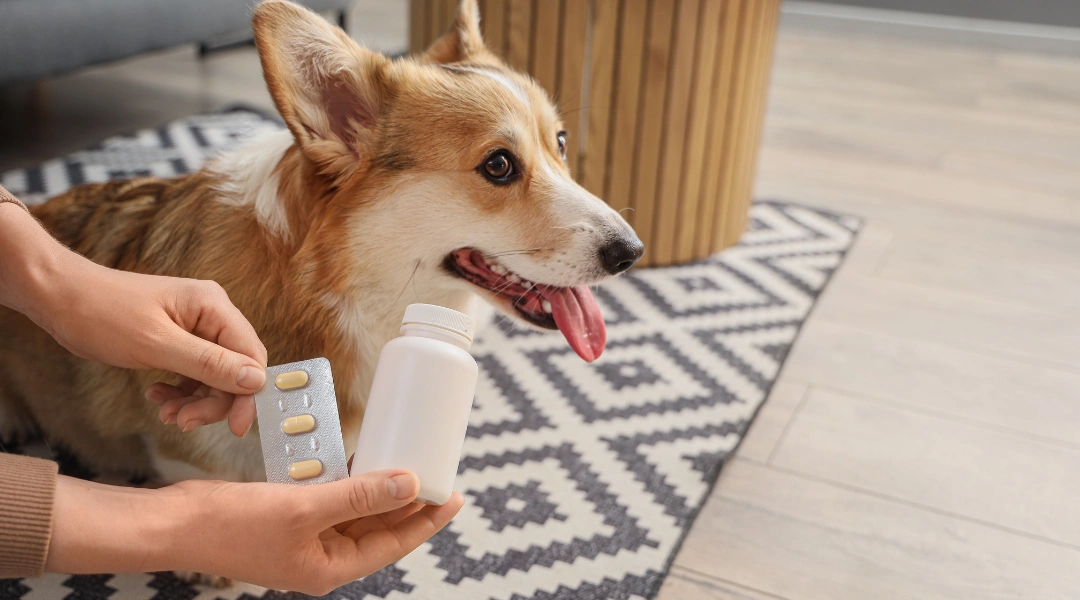

Allergies are one of the most common health issues affecting dogs today. If you have a dog with allergies, you already know how frustrating and uncomfortable it can be to watch them constantly scratch, lick, or struggle with irritated skin. Allergies can impact your dog’s quality of life, sleep, behavior, and even long-term health if not managed properly.
Understanding dog allergy symptoms early and knowing how to treat dog allergies effectively can make a significant difference. With the right care, routine, and awareness, you can help your dog live a comfortable, happy life. As part of being prepared for unexpected situations, many owners also choose to buy the pet tap tag to ensure their dog can be quickly identified and helped if they ever become separated while dealing with health issues.
What Causes Allergies in Dogs?
Before diving into treatment, it is important to understand what triggers allergies. A dog with allergies reacts to substances that would normally be harmless. These triggers, known as allergens, can come from various sources.
Common Allergy Triggers:
- Environmental allergens such as pollen, dust mites, and mold
- Food ingredients like beef, chicken, dairy, or grains
- Flea bites, which are one of the most common causes of allergic reactions
- Household products including cleaning chemicals and fragrances
Each dog reacts differently. Some may experience seasonal issues, while others deal with year-round discomfort. Recognizing the root cause is essential for effective dog allergy treatment.
Most Common Dog Allergy Symptoms
Recognizing dog allergy symptoms early helps prevent more serious complications. Allergies can present in different ways depending on the cause and severity.
Skin-Related Symptoms
- Constant scratching or itching
- Red, inflamed skin
- Hot spots or open sores
- Hair loss in affected areas
Ear and Eye Symptoms
- Frequent ear infections
- Head shaking or ear scratching
- Watery or irritated eyes
Digestive Symptoms
- Vomiting or diarrhea
- Loss of appetite
- Gas or bloating
Behavioral Changes
- Restlessness
- Irritability due to discomfort
- Excessive licking or chewing
If your dog with allergies shows any of these signs consistently, it is time to explore how to treat dog allergies before the condition worsens.
Types of Allergies in Dogs
Understanding the type of allergy helps determine the right dog allergy treatment plan.
Environmental Allergies
These are caused by airborne substances like pollen or dust. Symptoms often appear seasonally and can worsen during certain times of the year.
Food Allergies
Food-related allergies usually develop over time and may cause both skin and digestive issues. Identifying the trigger often requires an elimination diet.
Flea Allergy Dermatitis
Even a single flea bite can cause intense reactions in sensitive dogs. This is one of the most uncomfortable forms of dog allergy symptoms.
Contact Allergies
These occur when your dog’s skin reacts to direct contact with certain materials, such as cleaning products or fabrics.

How to Diagnose Dog Allergies
Diagnosis is a key step in how to treat dog allergies effectively. Since symptoms can overlap with other conditions, a proper evaluation is necessary.
Veterinary Examination
Your vet will assess your dog’s symptoms, medical history, and environment. They may perform tests to rule out infections or parasites.
Allergy Testing
Blood tests or skin tests can help identify specific allergens. This is especially useful for environmental allergies.
Elimination Diet
For suspected food allergies, your vet may recommend a controlled diet to identify the trigger ingredient.
Accurate diagnosis leads to a more targeted and successful dog allergy treatment plan.
Dog Allergy Treatment Options
Once you identify the cause, treatment becomes more effective. Managing a dog with allergies often requires a combination of approaches.
1. Medications
Veterinarians may prescribe antihistamines, steroids, or other medications to reduce inflammation and itching. These provide relief from dog allergy symptoms, especially during flare-ups.
2. Specialized Diets
For food allergies, switching to hypoallergenic or limited-ingredient diets can significantly improve symptoms. Diet changes are often a key part of how to treat dog allergies long term.
3. Flea Prevention
Consistent flea control is essential, especially if your dog is sensitive to bites. This prevents one of the most common causes of allergic reactions.
4. Topical Treatments
Medicated shampoos, sprays, and creams can soothe irritated skin and reduce itching. Regular bathing also helps remove allergens from your dog’s coat.
5. Immunotherapy
In some cases, allergy shots or oral treatments can help your dog build tolerance to specific allergens over time. This is a more advanced form of dog allergy treatment but can be highly effective.
Home Care Tips for Dogs with Allergies
Managing a dog with allergies at home plays a huge role in their comfort and recovery.
Keep Your Home Clean
Regular vacuuming, washing bedding, and reducing dust can minimize exposure to allergens.
Wipe Your Dog After Walks
Use a damp cloth to clean paws and fur after outdoor activities. This reduces the amount of pollen or dirt your dog brings inside.
Use Air Purifiers
Air purifiers can help remove airborne allergens, improving indoor air quality.
Maintain Grooming Routine
Frequent brushing and bathing help keep your dog’s coat clean and free from irritants.
These simple habits support ongoing dog allergy treatment and help reduce flare-ups.
Preventing Future Allergy Flare-Ups
Prevention is just as important as treatment when it comes to managing dog allergy symptoms.
Identify Triggers
Once you know what causes your dog’s allergies, take steps to limit exposure.
Stay Consistent with Treatment
Skipping medication or routines can lead to recurring symptoms. Consistency is key in how to treat dog allergies effectively.
Monitor Changes
Keep track of your dog’s symptoms and note any patterns. This helps you adjust care strategies when needed.
When to See a Veterinarian
While mild symptoms can often be managed at home, some situations require professional care.
Seek veterinary help if:
- Symptoms worsen or do not improve
- Your dog develops open wounds or infections
- There are signs of severe discomfort or pain
- Digestive issues persist
Early intervention prevents complications and ensures your dog with allergies receives proper care.

Supporting Your Dog’s Overall Well-Being
Allergies can be stressful for both pets and owners. Supporting your dog’s overall health improves their ability to cope with symptoms.
Provide Mental Stimulation
Interactive toys and activities keep your dog engaged and reduce stress-related behaviors.
Ensure Regular Exercise
Exercise supports immune health and helps maintain a healthy weight.
Build a Routine
Dogs thrive on consistency. A predictable routine helps reduce anxiety and improves recovery.
The Importance of Identification for Dogs with Health Needs
If your dog has ongoing medical conditions like allergies, identification becomes even more important. If your dog gets lost while experiencing discomfort or symptoms, having clear identification ensures they receive help quickly.
Modern identification solutions allow anyone who finds your dog to access important information instantly. This includes your contact details and any medical notes, which can be crucial for a dog with allergies.
Final Thoughts: Helping Your Dog Live Comfortably
Dealing with allergies can feel overwhelming, but with the right knowledge and approach, it becomes manageable. Recognizing dog allergy symptoms, understanding the causes, and following effective dog allergy treatment strategies will help your dog feel better and live more comfortably.
Consistency, observation, and proper care are the foundation of managing allergies. By staying proactive and informed, you can reduce discomfort and prevent future issues. Supporting your dog’s health also contributes to overall pet safety, ensuring they remain happy, secure, and well cared for in every stage of life.