

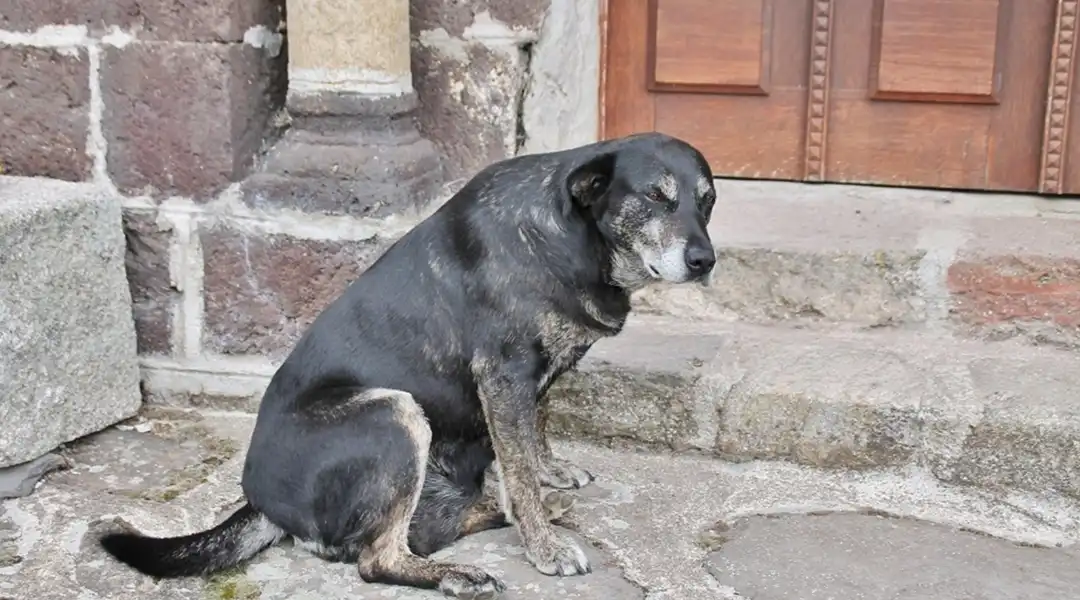

Stories of pets traveling miles to reunite with their families capture attention for a reason. They raise a simple question with a complex answer: do animals truly remember their way home, or are these cases rare coincidences? Understanding how animals navigate can help you protect them, plan better, and respond wisely if they go missing. While instinct and biology play a role, your preparation still matters for pet safety when the unexpected happens.
This guide explains the science behind animal navigation, how dogs and cats orient themselves, what influences their ability to return, and what you can do to improve the chances of a safe reunion.
What Does “Finding Their Way Home” Really Mean?
When people ask how do dogs find their way home, they often imagine a mental map like a GPS route. In reality, animals use a combination of cues rather than a single system. These include scent trails, visual landmarks, sound, and even subtle environmental signals.
“Home” for a pet is not just a location. It is a bundle of familiar smells, sights, and routines. When those cues are disrupted, the path back becomes harder. That is why some pets return quickly while others struggle, even in areas they know well.
The Role of Scent in Animal Navigation
Scent is the strongest tool many animals have. Dogs, in particular, rely heavily on their noses. Their sense of smell is thousands of times more sensitive than a human’s, allowing them to track faint trails over long distances.
When exploring how do dogs find their way home, scent explains a large part of the answer. Dogs leave behind a trail of their own scent as they move. They can also detect familiar odors in the environment, such as nearby homes, parks, or people.
However, scent tracking has limits. Rain, wind, and time can erase or distort scent trails. In busy urban areas, overlapping smells can confuse even the most skilled tracker. This is one reason why not every dog that runs off is able to return on its own.

Visual Memory and Landmarks
Animals also rely on visual memory. Dogs and cats learn their surroundings by recognizing landmarks such as buildings, trees, and pathways. Over time, they build a mental picture of their territory.
For example, when asking how do cats find their way home, visual memory plays a major role. Cats are highly observant and often stay within a defined territory. They memorize routes between safe spots, food sources, and resting areas.
If a pet is displaced outside its familiar environment, these visual cues disappear. Without recognizable landmarks, even a confident animal can become disoriented.
Can Pets Use Earth’s Magnetic Field?
One of the most fascinating theories in animal navigation is magnetoreception. Some studies suggest that animals may sense Earth’s magnetic field and use it as a directional guide.
This could partially explain how do dogs find their way home from long distances in rare cases where scent and visual cues are not enough. Research has shown that certain animals align their bodies with magnetic north when moving or resting, hinting at an internal compass.
While this ability is still being studied, it is not a reliable navigation system for everyday situations. It may assist orientation, but it does not replace the need for familiar cues.
Hearing and Environmental Awareness
Sound also contributes to navigation. Pets can recognize familiar noises such as a door opening, a car engine, or a person’s voice. These cues can guide them when they are close to home.
Dogs, in particular, have strong hearing and can detect sounds from far distances. When people wonder how do dogs find their way home, sound recognition is often part of the process, especially in quiet environments.
In busy areas, however, noise pollution can interfere. Loud traffic, construction, or crowds can drown out helpful sounds and increase confusion.
Why Some Pets Return and Others Do Not
Not every pet that gets lost finds its way back. Several factors influence the outcome.
Distance
The farther a pet travels, the harder it becomes to retrace steps. This is especially true when considering how do dogs find their way home from long distances.
Environment
Urban settings present more obstacles than rural areas. Streets, traffic, and unfamiliar structures can block paths and create hazards.
Stress and Fear
A scared animal may run in unpredictable directions. Panic can override instinct, making it harder to use natural navigation abilities.
Experience
Pets that regularly explore outdoors may have stronger spatial awareness than those that stay indoors.
These variables explain why navigation success varies from one case to another.
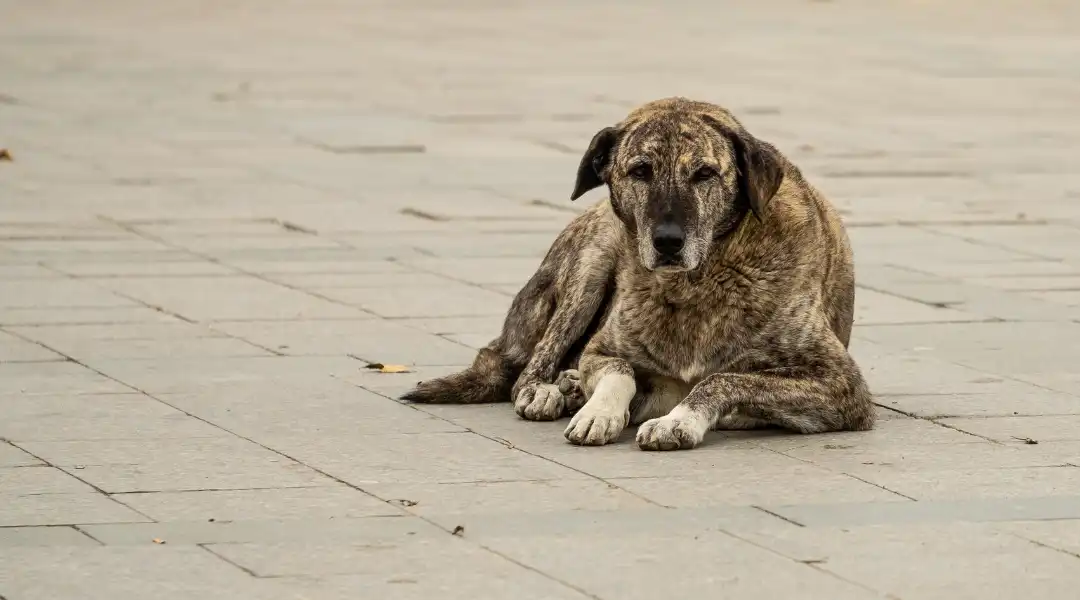
How Do Dogs Find Their Way Home?
Dogs combine multiple senses to navigate. Their reliance on scent, paired with memory and environmental awareness, gives them a strong advantage.
When asking how do dogs find their way home, consider how they explore their environment. Dogs build scent maps as they walk, marking areas and recognizing familiar routes. They also observe patterns, such as daily walks or feeding times, which help them orient themselves.
In some cases, dogs have been known to travel miles back home. This leads to the question how do dogs find their way home from long distances. While impressive, these cases often involve a mix of favorable conditions, including recognizable terrain, minimal interference, and strong instinct.
How Do Cats Find Their Way Home?
Cats rely more on territory and memory than long-distance tracking. When considering how do cats find their way home, it is important to understand their behavior.
Cats tend to stay within a defined range and develop a detailed understanding of that space. They use scent marking, visual cues, and routine to navigate.
If displaced beyond their territory, their ability to return decreases. Unlike dogs, cats are less likely to travel long distances in unfamiliar areas. Instead, they may hide and wait, relying on nearby familiarity rather than active searching.
The Limits of Animal Navigation
While animals have remarkable abilities, they are not infallible. Weather, obstacles, and human activity can disrupt navigation.
Even with strong instincts, pets can become lost permanently if they cannot reconnect with familiar cues. This is why relying solely on natural navigation is not enough.
Understanding the limits helps you take proactive steps rather than assuming your pet will find its way back on its own.
What You Can Do to Improve Return Chances
Preparation plays a critical role in recovery. If your pet goes missing, their ability to return depends on both instinct and your readiness.
Maintain Identification
Collars with tags provide immediate contact information. Microchips add another layer of security.
Keep Information Updated
Ensure your contact details are current. Outdated information can delay reunions.
Build Strong Recall
Training your dog to respond to commands increases the chances of them returning when called.
Monitor Outdoor Activity
Supervise pets when possible. Reducing unsupervised time lowers the risk of getting lost.
These steps support your pet’s natural abilities and improve outcomes in real-world situations.
The Human Role in Reuniting Pets
While animals rely on instinct, humans play a major role in bringing them home. Community awareness, quick action, and clear communication often determine success.
Posting online, contacting local shelters, and searching nearby areas remain essential. Even if your pet has strong navigation skills, assistance from others speeds up the process.
Common Myths About Pet Navigation
There are many misconceptions about how animals find their way home.
Myth: Pets Always Return
Not all pets come back. Navigation depends on many factors, and success is never guaranteed.
Myth: Dogs Can Always Travel Long Distances
While some cases exist, they are not the norm. The idea behind how do dogs find their way home from long distances often overlooks the role of chance and favorable conditions.
Myth: Cats Can Always Find Their Territory
Cats rely on familiarity. If displaced too far, their chances decrease significantly.
Understanding these myths helps set realistic expectations.
Final Thoughts: Instinct Helps, Preparation Matters More
Pets have impressive navigation abilities, shaped by evolution and experience. From scent tracking to memory and environmental awareness, they use multiple tools to orient themselves. Still, these abilities have limits.
Knowing how do dogs find their way home, how do dogs find their way home from long distances, and how do cats find their way home gives you insight into their behavior, but it should not replace preparation.
The best approach combines understanding with action. Identification, training, and awareness all contribute to safer outcomes. Instinct may guide your pet, but your preparation ensures they have the best chance of returning.
To add an extra layer of protection and make it easier for others to help your pet if they are found, consider upgrading their identification system and buy the pet tap tag.