

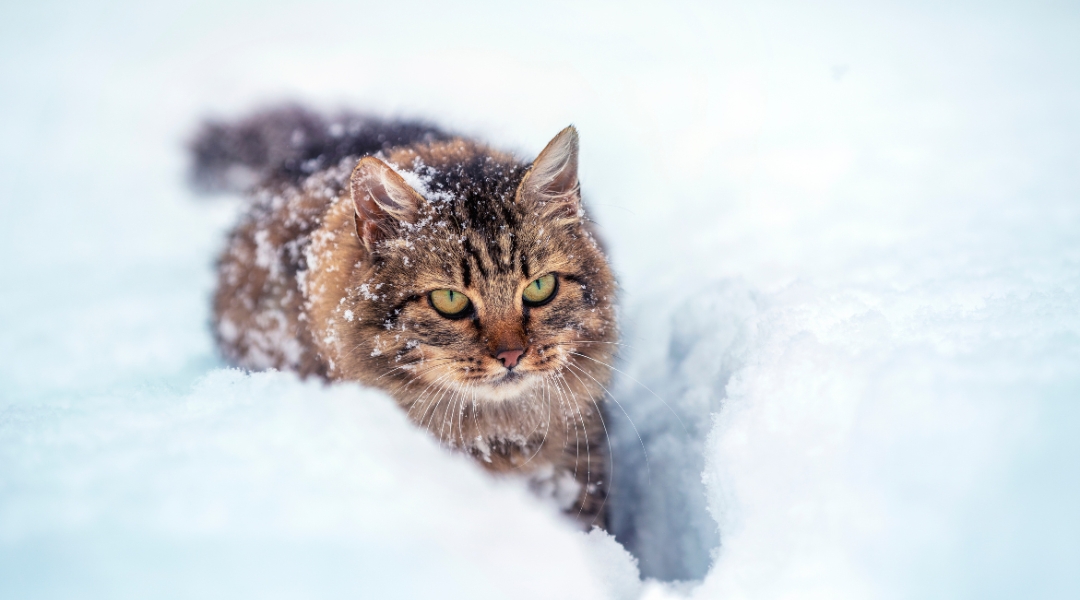

Cats are famously independent, graceful, and adaptable creatures. They’re known for curling up in the oddest places, slipping into tight spaces, and stealthily exploring even in chilly weather. But when winter rolls in, many pet owners ask the same question: how cold is too cold for cats?
While cats have fur coats, that doesn’t mean they’re immune to the dangers of cold temperatures. In fact, do cats get cold is a question every pet parent should seriously consider, especially those with outdoor cats or indoor-outdoor hybrids. From cold weather illnesses to frostbite, cats are vulnerable to many winter-related risks, especially when temperatures drop below freezing.
Whether your feline loves lounging by the window or frequently roams outdoors, understanding how to keep them safe in the cold is essential for pet safety and their overall well-being.
Do Cats Get Cold in Winter?
Yes, absolutely, do cats get cold is not a theoretical concern. Despite their warm, fluffy coats, cats are warm-blooded mammals and can suffer in cold weather, especially if exposed for prolonged periods.
Cats regulate body temperature by seeking out warm places. That’s why you’ll often find them curled up in sunny windows, under blankets, or next to heating vents. But when outdoor temperatures plummet or indoor heating is insufficient, their natural insulation only goes so far.
Can cats get cold even inside the house? The answer is yes, particularly short-haired breeds, older cats, kittens, or those with medical conditions like arthritis or thyroid issues. These groups struggle to maintain warmth and are more likely to suffer when the temperature indoors falls below 60°F (15°C).
How Cold Is Too Cold for Cats?
So, exactly how cold is too cold for cats? Most veterinarians agree that once temperatures dip below 45°F (7°C), it becomes unsafe for cats, especially if they are left outside without shelter.
At this point, a cat’s body starts to conserve heat by reducing circulation to extremities, putting them at risk for frostbite. Prolonged exposure can lead to hypothermia, which is potentially life-threatening if left untreated.
Even in slightly warmer conditions, wind chill, moisture, or damp ground can make it feel colder than the thermostat shows. And for short-haired or hairless breeds like the Sphynx, even 60°F (15°C) might be uncomfortably cold.
For safe reference:
- Above 60°F (15°C): Comfortable for most cats
- 45°F to 59°F (7–15°C): Caution zone, especially for vulnerable cats
- 32°F to 44°F (0–6°C): Risk zone, outdoor exposure not recommended
- Below 32°F (0°C): Dangerous; frostbite and hypothermia are real threats
Do Cats Feel Cold Like Humans Do?
Yes, do cats feel cold the same way humans do? While cats can tolerate cooler temperatures better than humans for short periods, their internal responses to cold are surprisingly similar.
When exposed to low temperatures, a cat’s body will:
- Shiver to generate heat
- Reduce blood flow to the tail, ears, and paws
- Seek out warm, confined spaces
- Curl tightly to conserve body heat
Over time, prolonged cold exposure lowers their body temperature and can affect muscle function, organ activity, and even breathing. Can cats get cold to the point of being medically in danger? Yes, hypothermia can set in when their core temperature drops below 99°F (37°C).
In many cases, owners don’t realize their cat is too cold until signs of distress appear. Knowing how to tell if cat is cold is key to preventing a serious issue.
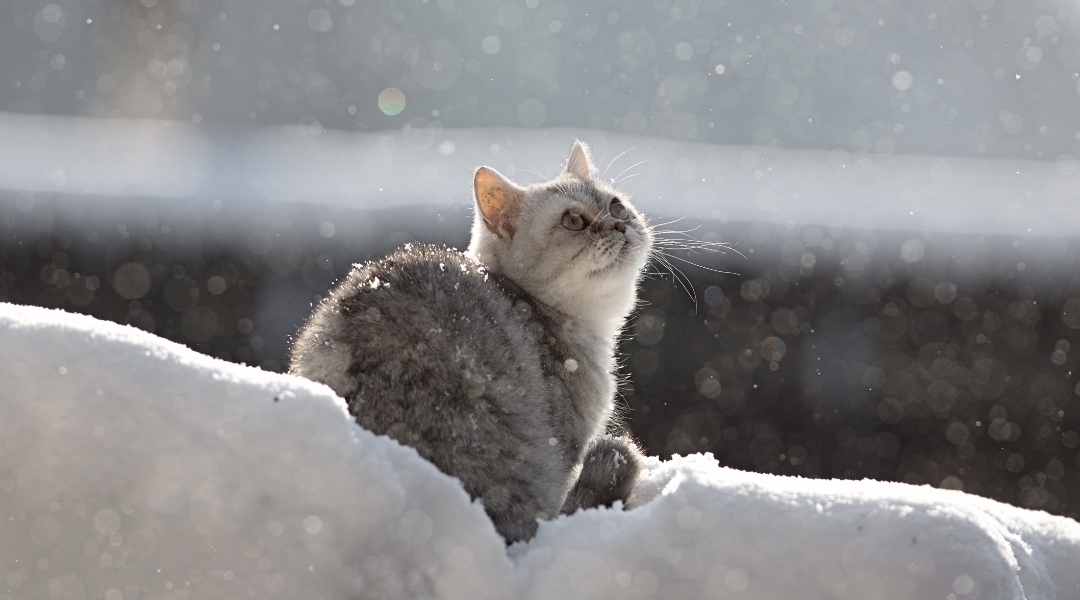
How to Tell If a Cat Is Cold
Cats may not be as obvious as dogs in expressing discomfort, but they do show signs of being too cold. Here’s how to tell if cat is cold and needs your immediate attention.
1. Cold Ears, Paws, or Nose
Touch your cat’s extremities, if they feel unusually cold to the touch, your cat is probably losing heat faster than they can retain it.
2. Shivering or Trembling
Shivering is a natural response to cold, and one of the first signs your cat is trying to warm themselves.
3. Curling Up in Tight Spaces
Cats love cozy spots, but if yours is wedging themselves behind appliances, under blankets, or in a closed closet, they may be seeking warmth desperately.
4. Slow Movements or Lethargy
Cold affects muscle and nerve function. A cat that moves slowly, avoids walking, or seems tired could be too cold.
5. Seeking Constant Contact
If your cat suddenly becomes clingy or always wants to lie on you or near heaters, it’s likely a sign they’re trying to warm up.
By recognizing how to tell if cat is cold, you can take early steps to protect them from serious complications.
Can Cats Live Outside in the Cold?
It depends on the climate and their access to shelter. While many feral cats survive harsh winters, they do so by finding insulated hiding places, sheds, garages, haylofts, or even car engines.
However, for house cats or domesticated outdoor cats, how cold is too cold for cats becomes even more important. These cats often lack the environmental survival skills or thick winter coats of feral cats and face much higher risks.
If you must let your cat outside:
- Limit outdoor time to short sessions
- Provide insulated shelters with straw (not blankets)
- Keep access to food and unfrozen water nearby
- Check regularly for signs of frostbite or hypothermia
Ultimately, it’s best to keep cats indoors during the winter months. Letting them out only during daylight hours and under supervision can greatly reduce cold-weather dangers.
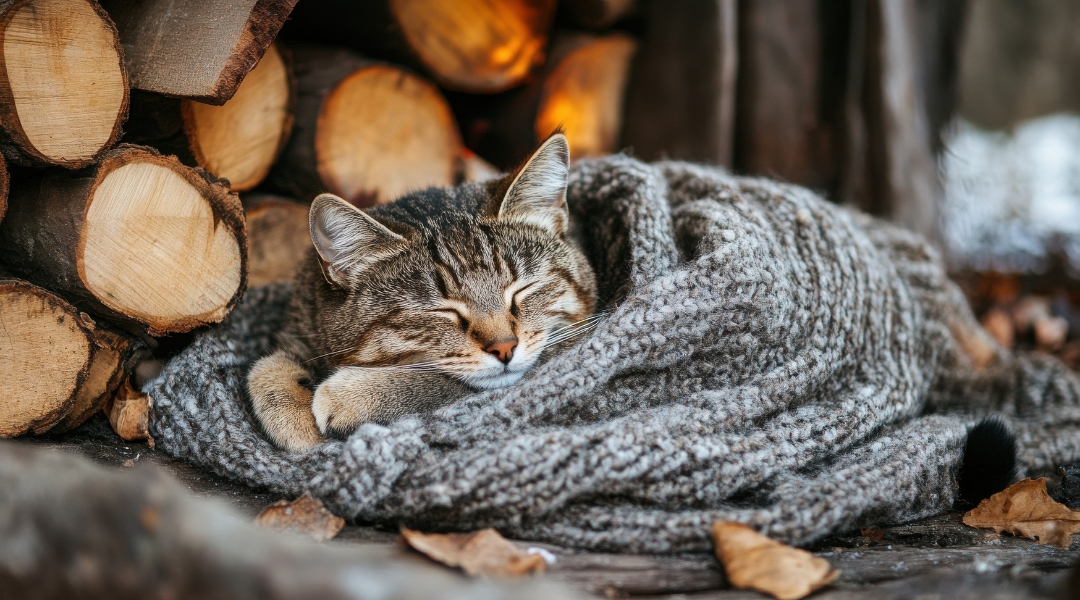
Indoor Tips to Keep Cats Warm
Whether or not your cat goes outside, you’ll want to ensure your indoor environment keeps them warm and cozy during the colder seasons.
Create Warm Sleeping Areas
Set up padded bedding in sunlit areas or near heating vents. Heated pet mats (with safety auto shut-off features) are great for older or arthritic cats.
Block Drafts
Seal windows and door gaps where cold air can creep in. Keep your cat away from cold tiles or basement floors.
Offer More Food
Cold weather can increase calorie needs. Check with your vet to see if a small increase in food during winter is appropriate.
Keep Them Dry
If your cat comes in wet from snow or sleet, dry them off immediately to prevent rapid body temperature loss.
These steps reinforce pet safety during the winter, ensuring your cat stays healthy, warm, and happy.
Special Considerations for Kittens and Senior Cats
Kittens, senior cats, and cats with health conditions are at a much higher risk in cold weather. They struggle to regulate their body temperatures and are often less mobile.
Always keep these cats indoors during cold months, provide extra bedding, and monitor their behavior closely. Any signs of discomfort should be taken seriously. Do cats feel cold even indoors? Yes, and these sensitive groups may need heating support even in well-heated homes.
Importance of Identification in Winter
Winter can be disorienting for cats. Snow changes their scent trails, cold can reduce their sense of direction, and panic can cause them to wander farther than usual. This makes winter one of the most common seasons for lost cats.
That’s why modern identification tools are essential. If your cat escapes during a snowstorm or gets locked in someone’s garage, a traditional tag might not be enough.
Use NFC Smart Tags for Winter Emergencies
These smart tags can be scanned by anyone with a smartphone, giving instant access to your contact info and your cat’s medical needs. In winter emergencies, every minute matters, and smart tags give strangers the tools to help faster.
Whether you live in a mild or snowy climate, preparing for identification is as important as preparing for temperature drops.
Myths About Cats and Cold
There are a few common myths that put cats at risk during winter:
“Cats have fur, they’re fine outside.”
False. Even long-haired cats can get cold and suffer frostbite if exposed too long.
“They’ll come back inside if they’re cold.”
Not always. Snowfall or injury can disorient your cat and keep them from finding home.
“They know not to go too far.”
When scared or lost, a cat’s instincts can override their usual behavior, leading them farther away from safety.
Understanding the truth behind ‘do cats get cold’ helps ensure you’re caring for them properly when temperatures drop.
Final Thoughts: Know the Limits, Keep Them Safe
Winter brings new challenges, but it doesn’t have to be dangerous for your feline friend. By understanding how cold is too cold for cats, you can take simple steps to protect your pet from discomfort, injury, or worse.
Whether you’re managing outdoor time, upgrading indoor comfort, or watching for cold symptoms, your awareness is your cat’s best defense. Remember to monitor vulnerable cats closely, respond to signs quickly, and avoid unnecessary exposure altogether.
And for added peace of mind this winter, buy the Pet Tap tag, a smart pet ID solution that keeps your cat connected to you no matter where they roam or what weather they face.