

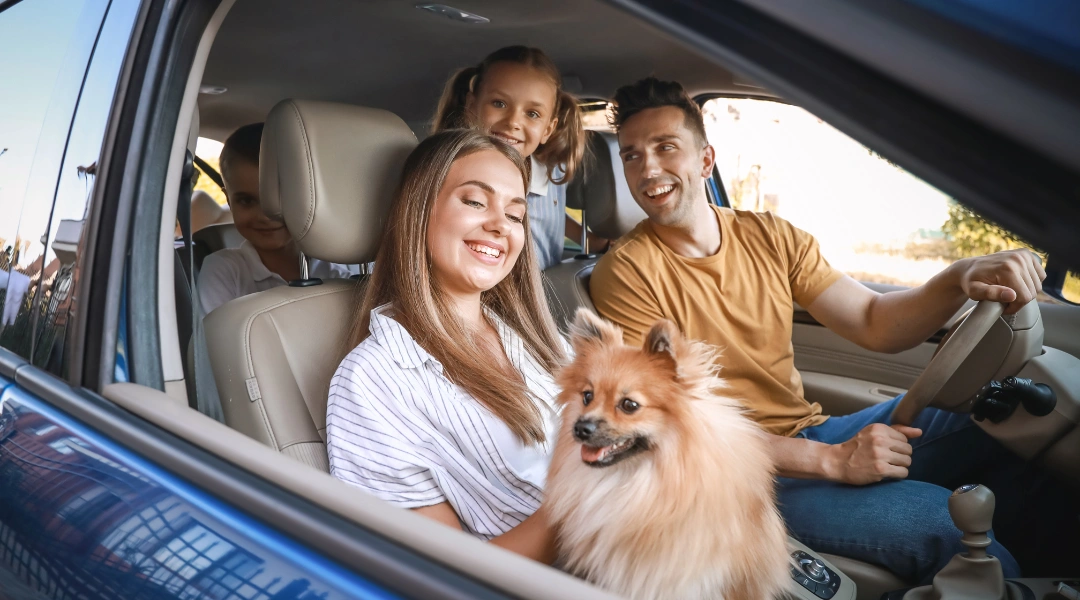

Traveling with your pet can be one of the most rewarding experiences you share together. Whether you are heading out on a road trip, catching a flight, or planning a weekend getaway, bringing your furry companion along adds comfort and joy to the journey. However, it also comes with responsibility. Proper planning and awareness are key to ensuring a smooth trip. Following the right pet travel safety tips helps protect your animal from stress, injury, or getting lost, while also giving you peace of mind.
Every trip presents new environments, unfamiliar sounds, and unexpected situations. That is why understanding pet safety before you leave home is essential. With the right preparation and mindset, you can turn any trip into a safe and enjoyable experience for both you and your pet.
Why Pet Travel Safety Matters
Travel disrupts your pet’s routine. New smells, sounds, and locations can create anxiety or confusion. Without proper preparation, pets may attempt to escape, become dehydrated, or suffer from travel-related health issues.
Following proven pet travel safety tips ensures that your pet stays secure, calm, and healthy throughout the journey. It also helps you handle emergencies more effectively. Whether you are traveling short distances or across the country, preparation makes a major difference in how your pet responds to the experience.
Preparing Before You Travel with Pets
Preparation is the foundation of safe travel. Before you even pack your bags, there are several steps you should take to get your pet ready.
Schedule a Veterinary Check
Before you travel with pets, visit your veterinarian. Ensure your pet is healthy enough for travel and up to date on vaccinations. Ask about motion sickness, anxiety solutions, and any specific health concerns.
Update Identification
Make sure your pet’s identification is current. This includes collar tags and microchip information. If your pet becomes separated from you, proper identification is the fastest way to reunite.
Pack a Pet Travel Kit
Bring everything your pet needs, including food, water, bowls, medications, waste bags, grooming supplies, and comfort items like a favorite toy or blanket. Having these essentials on hand is key pet care advice that reduces stress during the trip.
Choosing the Right Travel Method
The way you travel will influence how you prepare. Whether by car, plane, or train, each method has unique considerations.
Traveling by Car
Car travel is the most common way to travel with pets. It offers flexibility and control over your environment.
Safety Tips:
- Use a secured crate or pet seat belt to prevent movement
- Never allow pets to roam freely in the vehicle
- Keep windows partially closed to prevent escape
- Take breaks every two to three hours for water and bathroom needs
Following these safety tips for traveling with pets ensures your pet remains secure and comfortable throughout the ride.
Traveling by Air
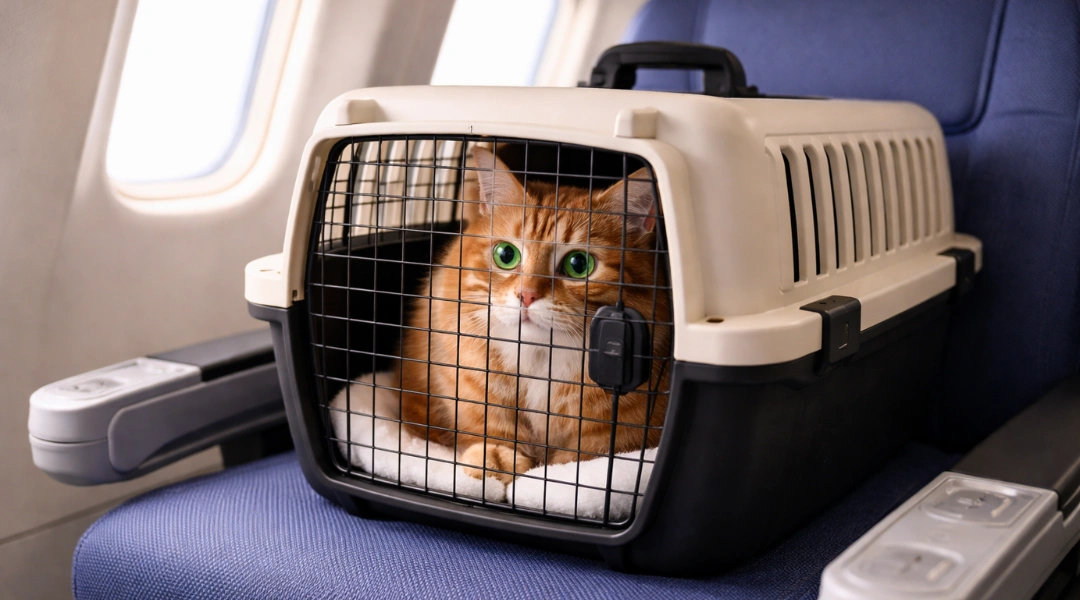
Air travel requires more planning. Each airline has specific policies regarding pet carriers, size limits, and documentation.
Important Considerations:
- Choose a direct flight whenever possible
- Use an airline-approved carrier
- Label the carrier with your contact information
- Avoid feeding your pet right before the flight to reduce nausea
Air travel can be stressful, so always prioritize comfort and follow pet travel safety tips closely.
Keeping Your Pet Comfortable During Travel
Comfort is just as important as safety. A stressed pet is more likely to panic or behave unpredictably.
Maintain a Familiar Routine
Try to stick to your pet’s usual feeding and walking schedule as much as possible. Consistency reduces anxiety and helps your pet adjust to new surroundings.
Bring Familiar Items
A blanket, toy, or item with your scent can provide comfort during travel. Familiar smells help your pet feel secure even in unfamiliar environments.
Monitor Temperature
Never leave your pet in a parked car. Temperatures can rise or drop quickly, putting your pet in danger. This is one of the most critical pet travel safety tips every owner should follow.
Hydration and Nutrition on the Go
Proper hydration and feeding are essential parts of pet care advice during travel.
- Offer water regularly, especially during long trips
- Avoid overfeeding before travel to prevent motion sickness
- Stick to your pet’s regular diet to avoid digestive issues
Portable water bottles and collapsible bowls make feeding and hydration easier while you travel with pets.

Safety at Your Destination
Arriving at your destination does not mean the risks are over. New environments can be confusing for pets, increasing the chance of escape.
Pet-Proof the Area
Check for hazards such as open doors, gaps in fences, or unfamiliar objects that could harm your pet.
Keep Your Pet Supervised
Never assume your pet will adjust immediately. Supervise them closely, especially during the first few hours.
Use a Leash at All Times
Even well-trained pets may run off in unfamiliar surroundings. Keeping your pet on a leash is one of the most effective safety tips for traveling with pets.
Preventing Lost Pets While Traveling
One of the biggest risks during travel is losing your pet. New surroundings can confuse even the most loyal animals.
Always Use Identification
Ensure your pet wears a collar with up-to-date information. This increases the chances of a quick reunion if they wander off.
Consider Smart Identification
Modern solutions allow instant access to your contact details through a simple phone scan. These tools provide an extra layer of protection and support overall pet safety during travel.
Take a Recent Photo
Keep a current photo of your pet on your phone. If your pet goes missing, you can quickly share it with others or post online.
Managing Anxiety While Traveling
Travel can be overwhelming for some pets. Managing their stress is an important part of pet care advice.
Recognize Signs of Stress
Common signs include panting, whining, pacing, or refusal to eat. Address these signs early to prevent escalation.
Use Calming Techniques
- Speak in a calm, reassuring voice
- Provide a familiar toy or blanket
- Take breaks during long trips
If your pet struggles with severe anxiety, consult your veterinarian before you travel with pets for additional support options.
Emergency Preparedness
Unexpected situations can arise at any time. Being prepared helps you respond quickly and effectively.
Know Local Veterinary Locations
Research veterinary clinics near your destination before you arrive. Having this information ready saves valuable time in an emergency.
Carry Important Documents
Bring vaccination records, medical history, and any required travel documents. These may be needed for boarding, lodging, or veterinary care.
Keep Emergency Contacts Handy
Store important numbers in your phone, including your vet and local animal services.
Preparedness is one of the most overlooked pet travel safety tips, yet it is one of the most important.
Common Mistakes to Avoid
Avoiding simple mistakes can significantly improve your travel experience.
- Letting pets roam freely in the car
- Forgetting to update identification
- Skipping breaks during long trips
- Leaving pets unattended in unfamiliar places
- Ignoring signs of stress or discomfort
Each of these mistakes can compromise your pet’s well-being. Following proper safety tips for traveling with pets helps you avoid unnecessary risks.
Building a Safe Travel Routine
The more you travel with pets, the more you will learn what works best for your animal. Build a routine that includes:
- Pre-travel health checks
- Consistent packing lists
- Regular safety checks during the trip
- Ongoing observation of your pet’s behavior
Consistency creates a smoother experience and reinforces good habits for both you and your pet.
Final Thoughts: Travel Smart, Travel Safe
Traveling with your pet does not have to be stressful. With the right preparation, awareness, and mindset, it can become one of the most enjoyable parts of your lifestyle. Following reliable pet travel safety tips ensures your pet stays safe, comfortable, and happy wherever you go.
From planning ahead to staying alert during the journey, every step you take contributes to a better experience. Use this guide as your foundation, apply the best pet care advice, and make every trip a safe adventure.
For added protection and peace of mind during every journey, make sure your pet is always identifiable and easy to return if separated. The smartest step you can take before your next trip is to buy the pet tap tag.